
01
Wearable & biomechanical sensing
Measure movement and physical response in ways existing athlete systems may not capture.
This research asks which measurements can be made responsibly and carried into an athlete history.
Research direction
Some athlete context already exists. Some may require new measurement. SafeStride research explores both — and how they might responsibly contribute to the athlete’s history over time.

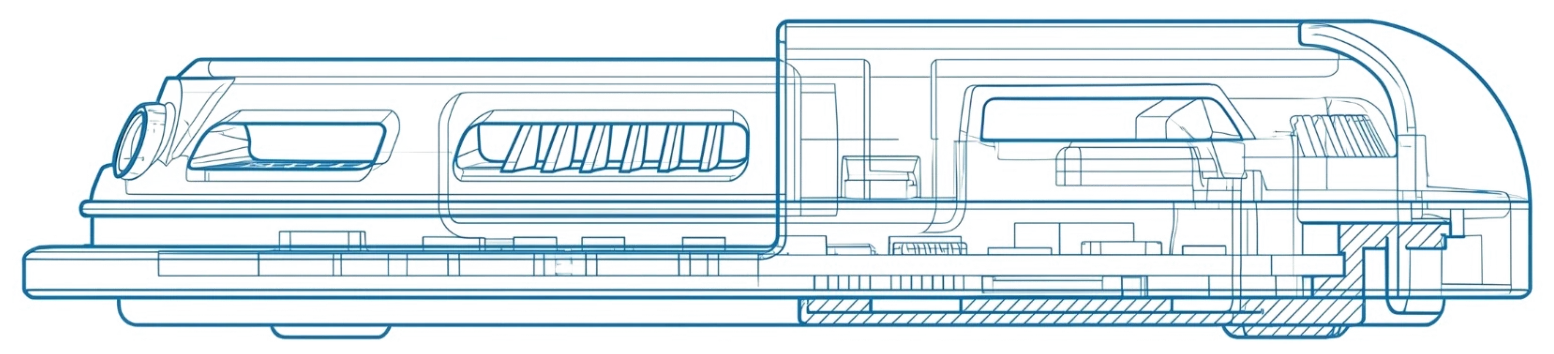
Wearable sensing hardwareExisting research hardware · not yet deployed
Measure movement and physical response in ways existing athlete systems may not capture.
This research asks which measurements can be made responsibly and carried into an athlete history.
Connect changes, interventions, responses, and outcomes across the athlete’s history.
Represented across time without stripping away provenance or uncertainty.
Study what changes before, during, and after injury and recovery.
The goal is deeper understanding; predictive claims require appropriate evidence, validation, and safeguards.
New measurements only become useful when they can be interpreted alongside the athlete’s existing performance, health, recovery, and care context.
One architecture
Measurement
Existing information + research signals
Athlete history
Events and responses across time
Workflow
Relevant context for practitioners
Research boundary
Research concepts shown here are not representations of currently validated clinical or predictive functionality. Predictive or risk-modeling work remains research unless and until supported by appropriate evidence, validation, and deployment safeguards.
SafeStride Athlete Briefing is the current product focus and shows how longitudinal athlete context becomes useful inside a real practitioner workflow.